
In this edition of DRRN Highlights, we’re excited to feature Michael Hooper, Associate Professor at the School of Community and Regional Planning (SCARP) at UBC. Michael’s work explores the intersections of urban planning, policy, and politics, with a particular focus on displacement, disasters, and densification.
As a registered planner in Canada, the U.K. and the U.S., Michael brings both practical and scholarly perspectives to how rapid urban change, climate-related hazards and built-environment transformations affect communities — a body of work directly aligned with DRRN’s mission of helping communities become more disaster-resilient.
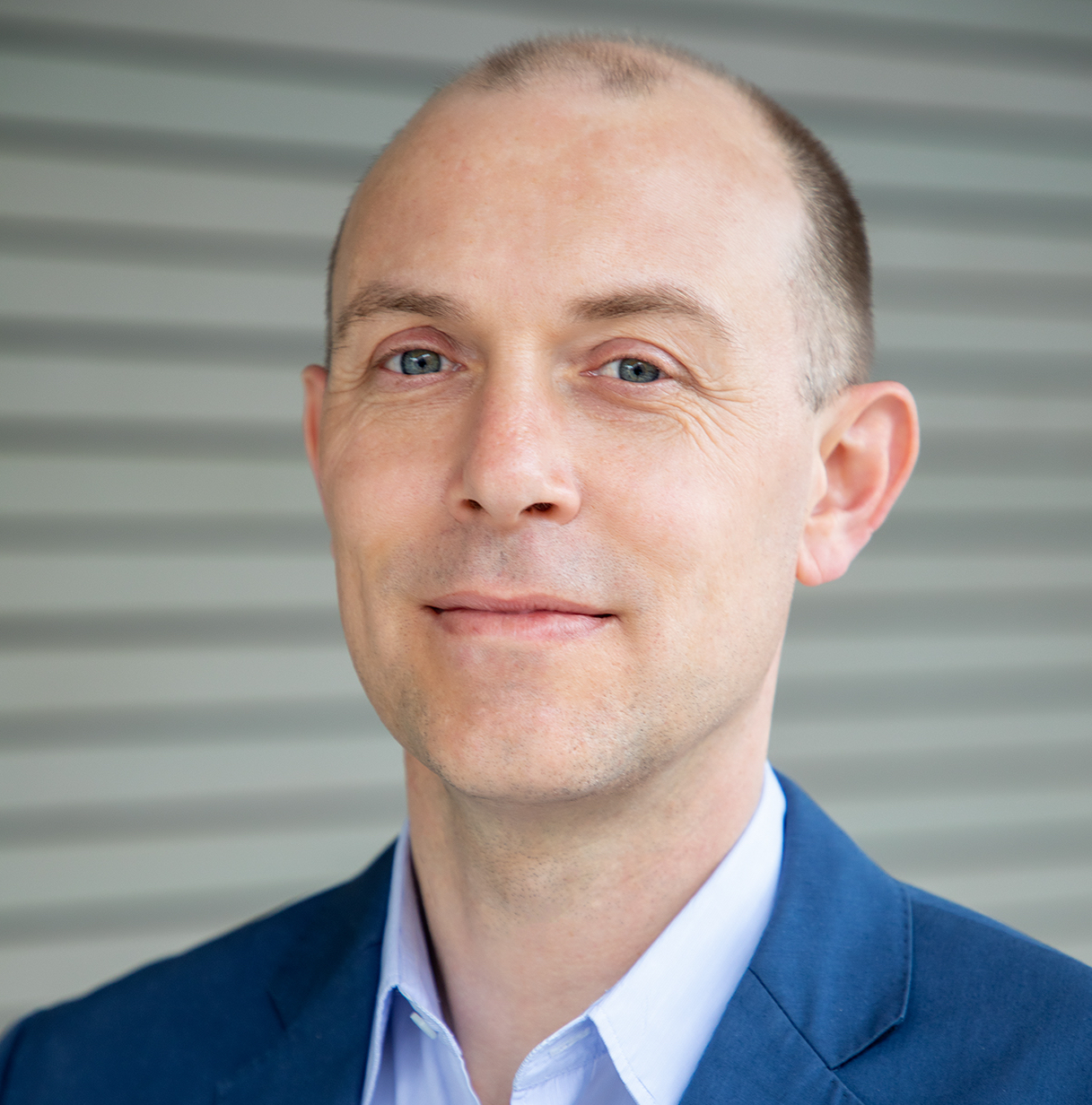
Michael Hooper
Associate Professor
School of Community and Regional Planning (SCARP)
1. Could you introduce yourself and tell us about your current research?
I’m an Associate Professor of Community and Regional Planning at UBC and my research focuses on urban planning, policy and politics. I previously taught for a decade at Harvard’s Graduate School of Design and, prior to that, spent five years working with the United Nations in Kenya and New York. As part of that UN experience, I had the good fortune to be seconded for a year to the Kenya Ministry of Planning in Nairobi, which was a tremendous learning experience.
I became interested in disasters due, in part, to formative experiences in my youth, such as experiencing earthquakes and typhoons when I was a student in Taiwan. Seeing how places like Taiwan and Japan organized their preparation and response activities had a big influence on my thinking about urban risk, as did living later in life in other disaster-prone settings, like East Africa and San Francisco. Another formative experience occurred during the1998 ice storm in Québec when I was student at McGill and ended up spending several days commandeered as a laundry room worker at Royal Victoria Hospital due to a lack of staff during the disaster. That really drove home the fragility of urban systems. More broadly, when I was working for the UN I became extremely interested in how cities manage risk and became fascinated by the rebuilding process following crises. Traveling to Rwanda after the genocide and to Haiti after the 2010 earthquake were particularly powerful windows onto the complexity of the rebuilding process and cemented an interest in urban post-disaster reconstruction that I’ve continued to pursue in a wide range of settings.
Ultimately, I have diverse geographical interests and love to work with students who often direct me to interesting contexts that I haven’t considered before. This gives me a chance to get exposed to new people, places and ideas, which I consider the biggest perk of my job.
2. What motivated you to become a part of the DRRN community?
I was immediately struck by the conviviality of the DRRN community and how open the group is to new members and new ideas. It is a very accessible community that approaches disasters in an open minded and empirical way. The fact that the group includes everyone from anthropologists to civil engineers is a huge selling point.
3. Can you share a specific project or initiative within DRRN that excites you the most? Why is it important?
I’ve really enjoyed working with collaborators from the network on a project on disaster preparedness in Vancouver. That collaboration also included partners from the City of Vancouver. It was wonderful to work with a broad group of faculty and students, as well as public officials, on a project of immediate concern to the city in which we live. It was also fascinating to see how ideas that I’ve studied in other contexts, like Tanzania (where I did a project on how renters experience urban development), play out more locally. It highlighted what is unique about Vancouver as well as what the city has in common with places that, on first glance, are seemingly extremely different.
4. What future developments in disaster resilience research are you most interested in or concerned about?
As is often the case, I’m interested in projects that look comparatively at the social drivers and consequences of risk in the built environment. One topic that interests me at the moment is how people respond to and manage heat-related risks. Over the past few years, I’ve had the experience of spending quite a bit of time in rapidly warming cities and found myself struggling to deal with incredible heat in buildings that were designed for much cooler conditions. It’s clear this issue is going to be one of increasing concern in cities in many parts of the world and is a particular threat for people in naturally occurring affordable housing (like basement suites, older apartments and other kinds of vulnerable and under-researched accommodation). I’m eager to explore this issue across a variety of settings, including Vancouver.